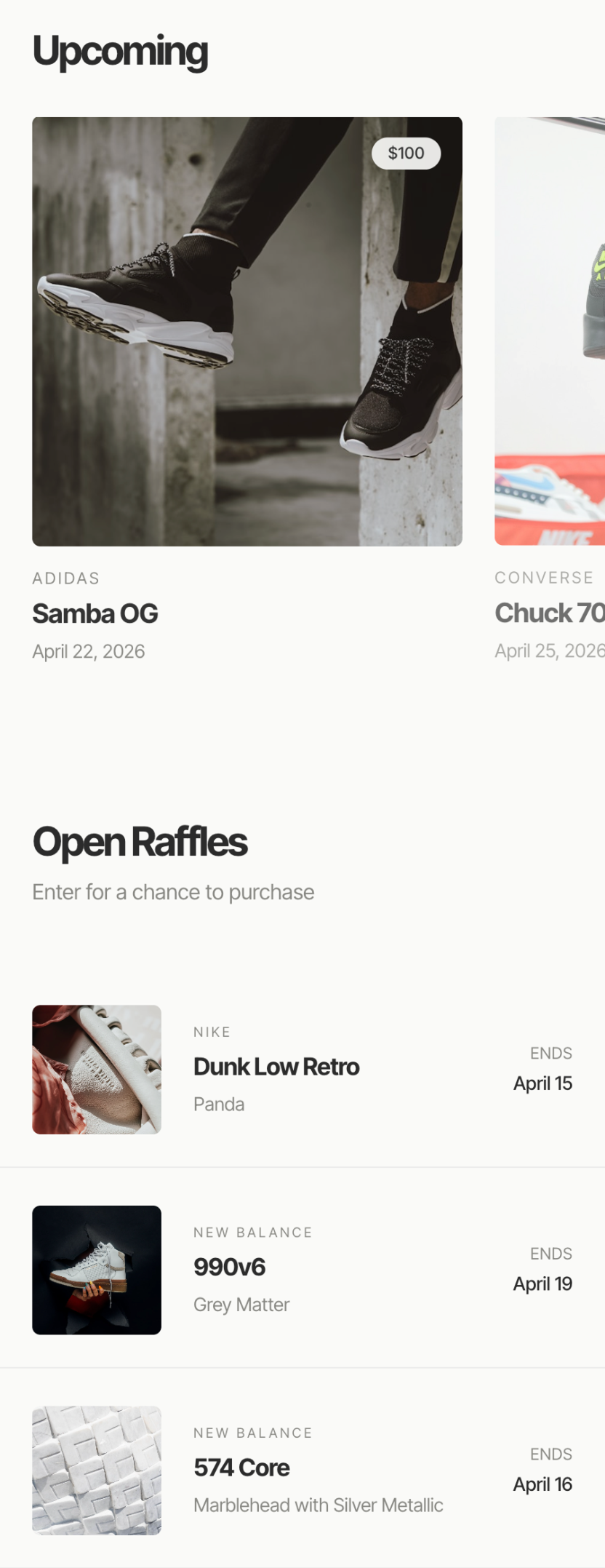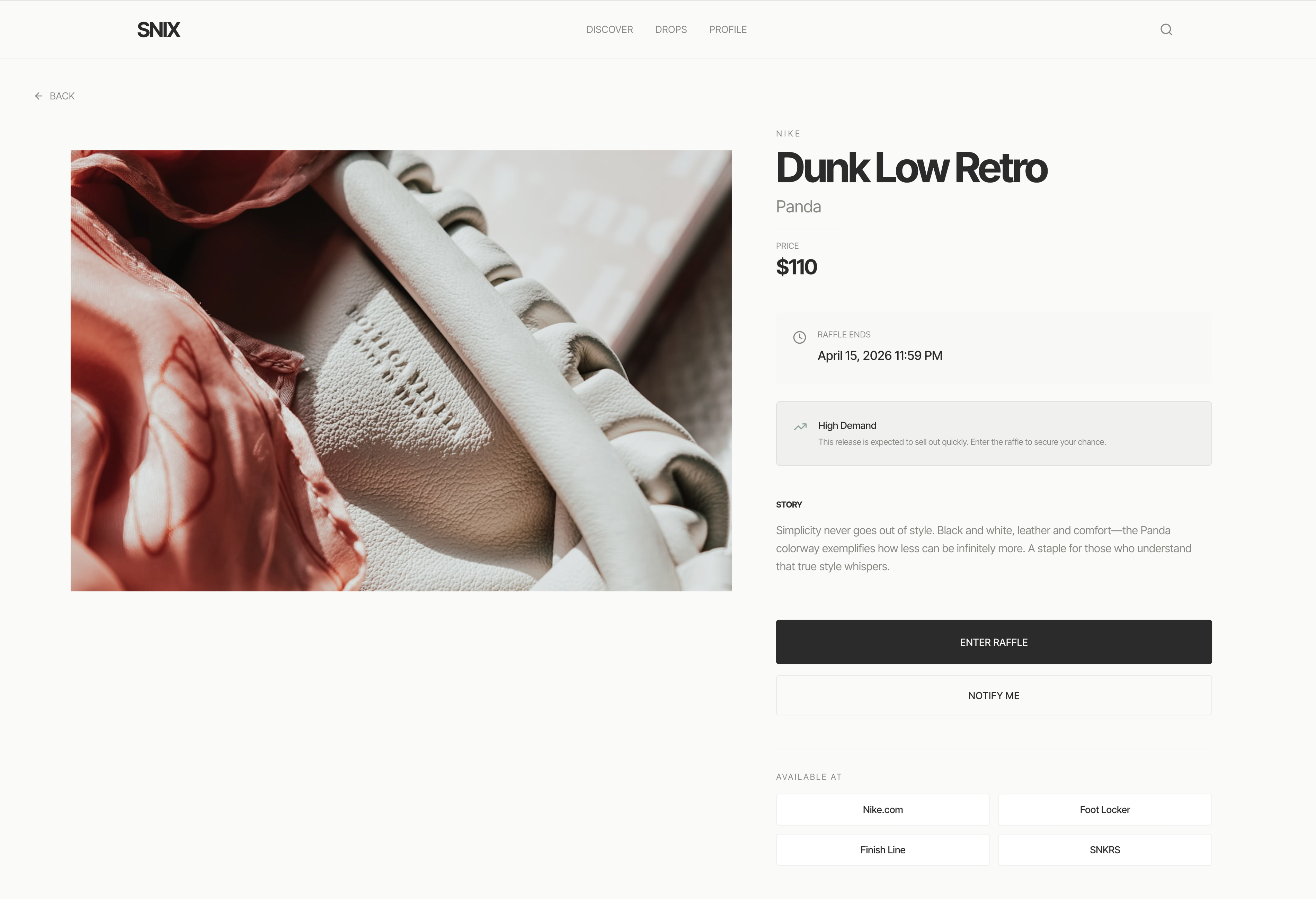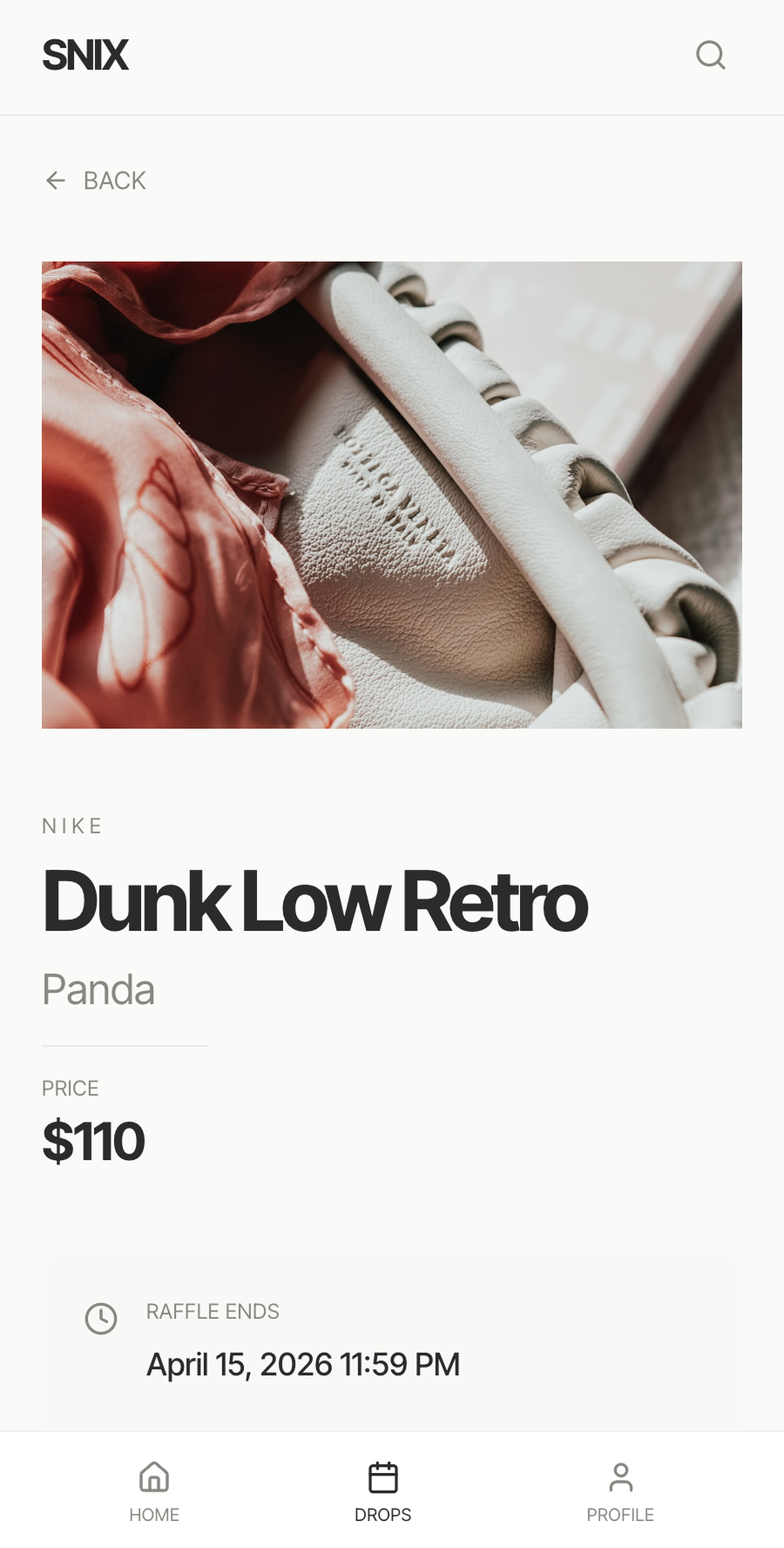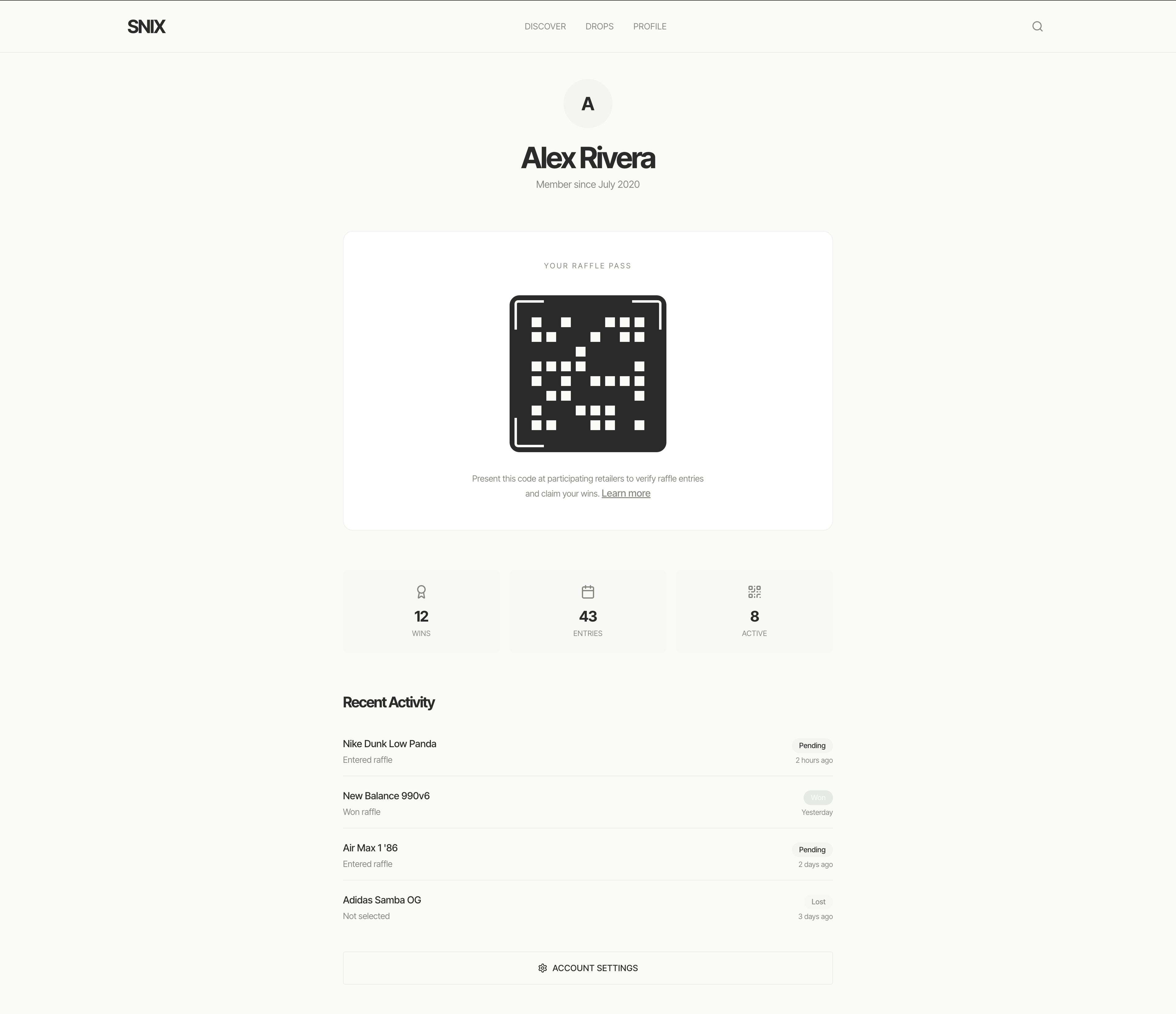
Limited sneaker releases are one of the most emotionally charged purchasing experiences in consumer retail. Demand massively outstrips supply. The window to enter is minutes long. And for most real users, the outcome is always the same: they lose.
That loss is tolerable. What isn't tolerable is not understanding why.
Across platforms like SNKRS, GOAT, and StockX, the experience is structurally broken in three specific ways. Bots dominate entry windows before real users have a chance. Raffle outcomes are announced with zero explanation—no context, no entry count, no selection logic. And after repeated failure, users disengage entirely—not because they stopped wanting the product, but because the system stopped feeling worth engaging with.
My job wasn't to solve scarcity. It was to design a system where losing felt fair—and where users wanted to come back anyway.
Lack of transparency erodes trust faster than losing does
Users couldn't explain how winners were selected. The absence of information felt like evidence of manipulation, not a neutral silence.
Perceived bot dominance discourages participation before it starts
Users had developed a prior belief that bots had already won before they entered. That belief made entry feel pointless, reducing both completion rate and emotional investment.
Repeated failure without explanation leads to permanent disengagement
Users didn't stop trying because they lost. They stopped because they had no reason to believe the next attempt would be different.